Computer Vision for Engineering and Science
About this course
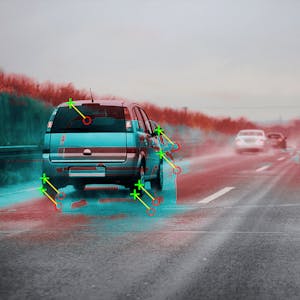
Cameras are an integral component in many new technologies. Autonomous systems use cameras to navigate their environment, while doctors use small cameras to help guide minimally invasive surgical techniques. It is essential that engineers use computer vision techniques to extract information from these types of images and videos. In this specialization, you’ll gain the computer vision skills underpinning many of today’s top jobs. Specifically, you’ll: Perform object detection Train image classification models Use features to track objects and align images Detect motion in video Implement multi-object tracking You will use MATLAB throughout this specialization. MATLAB is the go-to choice for millions of people working in engineering and science and provides the capabilities you need to accomplish your computer vision tasks. You will be provided free access to MATLAB for the duration of the specialization to complete your work. To be successful in this specialization, it will help to have some prior image processing experience. If you are new to image data, it’s recommended to first complete the Image Processing for Engineering and Science specialization.
68/100
CourseAsk score
- What the provider tells you
- 32/45
- Who stands behind it
- 20/35
- How complete the listing is
- 16/20
Scores how much the provider publishes and who stands behind it — not how well it is taught.
What you'll learn
- Perform object detection
- Train image classification models
- Track objects and align images
- Detect motion in video
- Implement multi-object tracking using MATLAB
Price shown by Coursera — confirm on their site.
Enroll on CourseraYou'll be redirected to Coursera to complete enrollment.
- Listed & compared by CourseAsk
- English · 0

 Coursera

 Udemy
Udemy
 edX
edX





Compared on these lists
Where this course ranks against the alternatives.